
Radon: 2nd Leading Cause of Lung Cancer
Preventing yourself and people you care about from illness is always a top priority. When you breathe air containing radon, you increase your risk of getting lung cancer. Radon, a Class-A carcinogen, is the second-leading cause of lung cancer, according to the Environmental Protection Agency (EPA).
Today's energy-efficient, airtight homes can actually increase your risk. Since most people spend a majority of their day inside, we all need be certain that the indoor air quality is safe and healthy.
What is Radon?
Radon is an invisible and odorless radioactive gas and is continuously created by natural breakdown metals in soils. Radon is a cancer-causing natural radioactive gas. Radon is a radioactive gas that forms naturally when uranium, thorium, or radium, which are radioactive metals break down in rocks, soil and groundwater. People can be exposed to radon primarily from breathing radon in air that comes through cracks and gaps in buildings and homes.
What Are the Risks of Exposure to Radon?
Exposure to radon, a naturally-occurring radioactive gas, claims an estimated 21,000 lives annually, according to the EPA from radon-related lung cancer. When you breathe in radon, it permeates the lining of your lungs and over time, damages the cells with radiation. This can lead to lung cancer.
How Does Radon Get Into Your Home?
The odorless, tasteless and colorless gas can be found anywhere and can go undetected inside homes for years. The Environmental Protection Agency (EPA) reports that one in 15 homes will test at or above the EPA’s action level of 4 picocuries per liter (pCi/L). A picocurie is a measure of the rate of radon’s radioactive decay.
Stack effect (chimney effect) will cause radon inflow that will migrate in to the home.
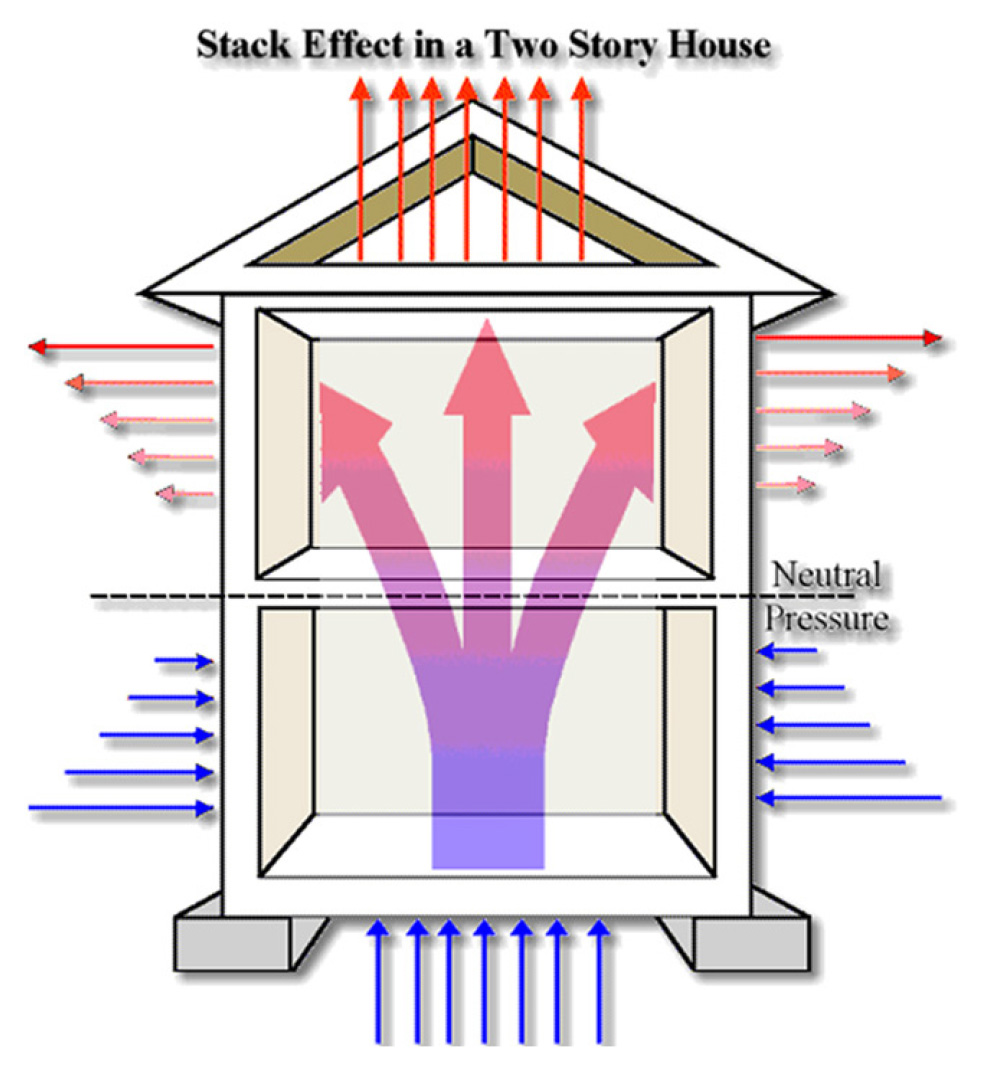
Because the pressure inside of your home is typically lower than the pressure in the soil outside, the home acts as a vacuum, pulling radon inside through several openings that can include:
- Cracks, pores and holes in the foundation
- Floor-wall joints
- Mortar joints
- Sump pump
- Soil in unfinished crawl spaces
- Well water
- Cavities inside walls
- Loose-fitting pipe penetrations
- Granite, brick, concrete or rock materials
Radon levels tend to be highest in basements and first-floor rooms that have contact with soil. While radon can enter the home through well water and building materials, the most common way it gets in is through soil around the house. While some areas of the U.S. are more prone to high radon levels, all homes are susceptible. The only way to know about the levels in your home is to test for them.
Testing for Peace of Mind
You should test for radon. Testing is the only way to find out your home's radon levels. The EPA recommends checking radon levels in your home at least every two years as radon flow can increase over a time. We spend most of our time indoors at home, especially children and the longer you're exposed, the more you're breathing in this carcinogen.
What should you do if you have high radon levels
It’s important to remember a high level of radon is completely correctable. If you perform a radon test and the results are high, you will need to hire an experienced professional who can install a radon mitigation system. Mitigation systems effectively draw radon out of your home. Consider installing a simple, inexpensive ventilation system that can protect your family from radon gas. You can contact us for a great referral to a Certified Mitigation Radon Contractor.
Please take a moment and share this information with people you care about. If each of us can spread the word about radon, we can save many lives this year and for many years to come. The sooner you test your home, the better off you and your family will be. For your own peace of mind, and to keep yourself and your loved ones safe, get your home tested for radon as soon as possible.
Reference
What is Radon?
https://www.airthings.com/what-is-radon
National Radon Action Plan
https://www.epa.gov/radon/national-radon-action-plan-strategy-saving-lives
How Many Breaths Do You Take Each Day?
https://blog.epa.gov/2014/04/28/how-many-breaths-do-you-take-each-day/
Health Risk of Radon
https://www.epa.gov/radon/health-risk-radon
Radon and Cancer
https://www.cancer.org/cancer/cancer-causes/radiation-exposure/radon.html
Get this free comprehensive guide for more information on "Is Your Home Making You Sick?
Learn more about Indoor air pollution, increased risk health, and how to determine if you are at risk.
Request your free guide now
Find Out What it Takes to Make it Right
Schedule your free estimate to start
the process for making your home healthy!
WHAT TO EXPECT FROM YOUR ESTIMATE
Ground Water Control
Sump Pump System
Sump Pump Backup Protection
Battery Backup Systems
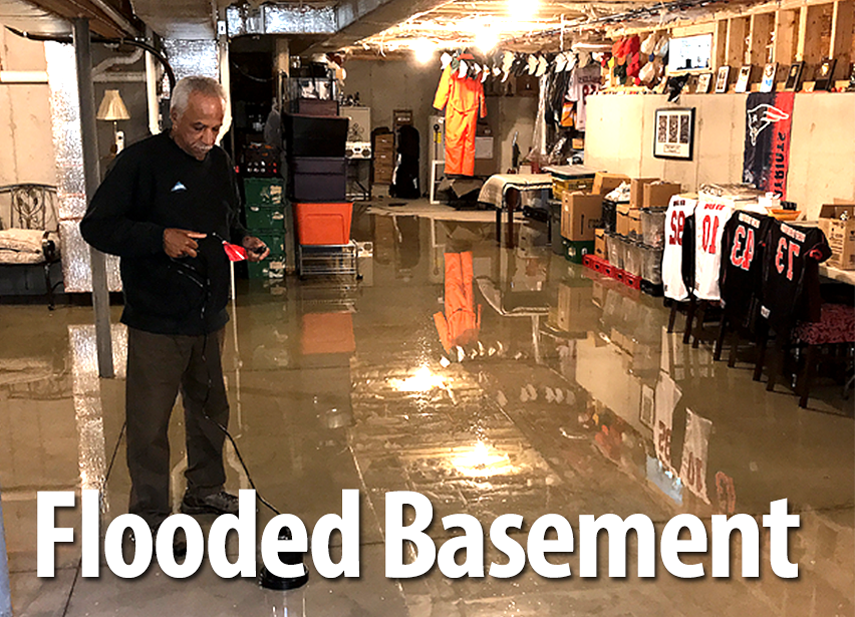
Full Perimeter Drainage System
GrateDrain System
Full Wall Protection
Vapor Barrier

Moisture Control
Dehumidifiers

Maintenance & Upkeep
Sump Pump Cleaning & Service
Extremely professional and able to cater to our specific application. Same with the crew, who arrived on time and were in and out in probably three hours. The final result was an immaculate, well designed and highly efficient sump pump system. I am no longer haunted by the loud and obnoxious clank. The first couple of days I found myself checking on the system to ensure it was still operating properly because it was so quiet. Very satisfied and would strongly recommend.
Steve H.
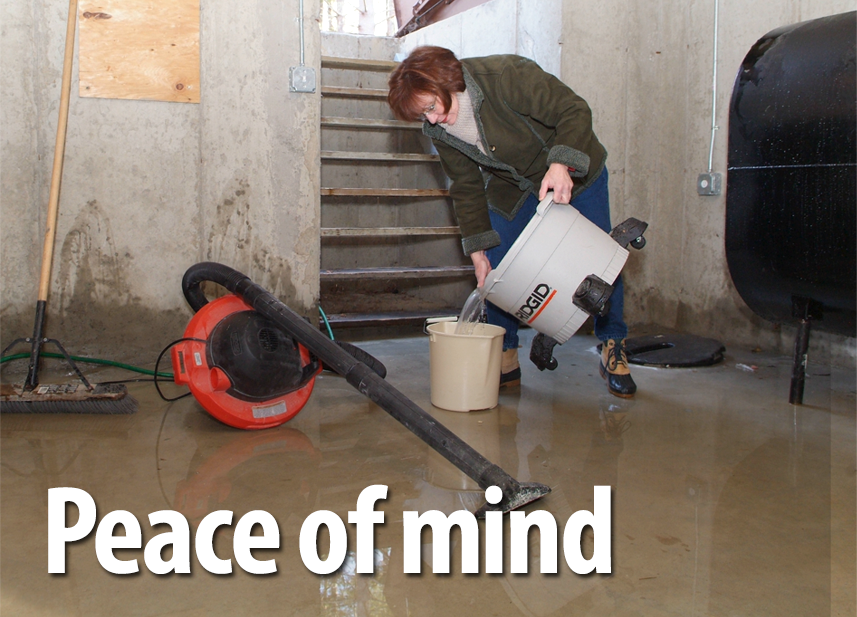
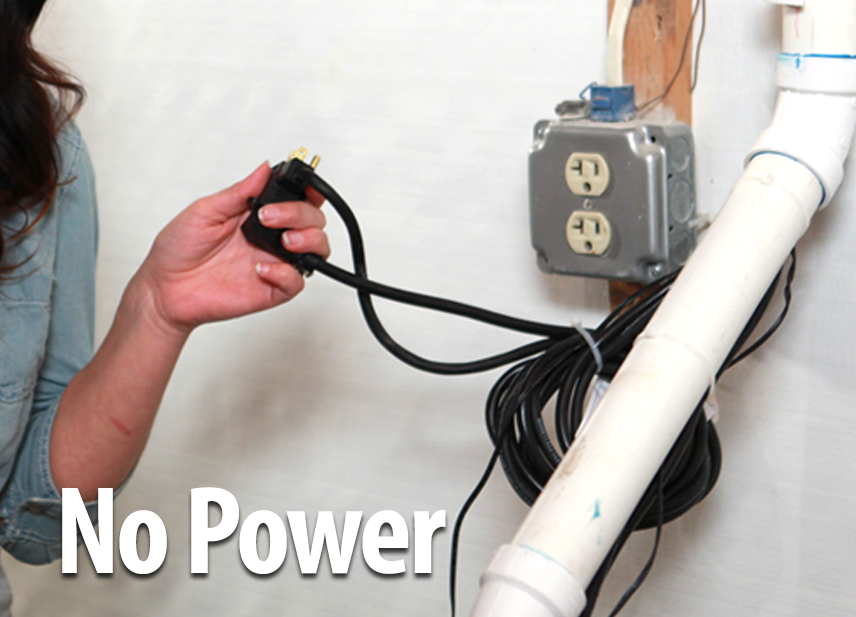
A couple of weeks ago I made a great investment in my house. I had my basement waterproofed. It saved me hours using my shop vac sucking up the water caused by the rain. Notice the 2 exit pipes, one is electric the other is battery powered so when the power goes out so does the water. — feeling thankful.
George S.
Sign Up For Your FREE Estimate